

Many professionals wonder: Should I return to university for another degree? Further education can be exciting and scary. This is true whether you’ve worked for five years or twenty-five. A new degree offers fresh knowledge, better career prospects, and personal growth. However, it requires time, money, and effort.
The answer is rarely a simple yes or no. The value of another degree depends on your goals, your industry, and the return you expect.
The first question to ask yourself is why you want another degree. Are you looking for a promotion, switching careers, or pursuing a job that needs formal education? You might also learn. Knowing your motivation is key. Different goals need different educational paths.
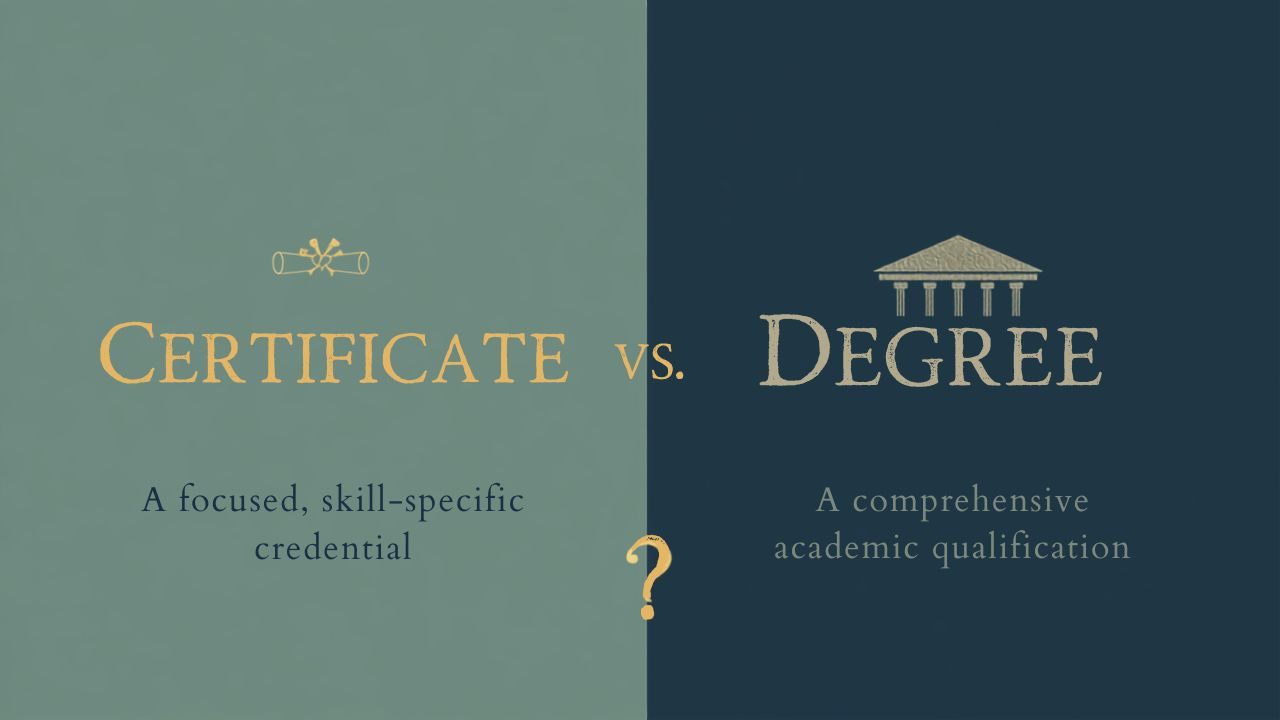
Next, consider whether a degree is actually necessary. Many industries today value skills just as much as, or even more than, degrees. Employers hire candidates based on certifications, practical experience, portfolios, and problem-solving abilities. In fields such as software development, digital marketing, project management, and data analytics, certifications or hands-on projects may provide a better return on investment than another university degree.
However, there are professions where an additional degree remains essential. Careers in medicine, law, higher education, scientific research, psychology, and certain engineering specialisations often require advanced academic qualifications. In these fields, another degree is not an advantage—it is often a prerequisite.
Cost is another important consideration. Tuition fees are only part of the expense. Consider books, travel, technology, and the time you spend studying. This time could be used to earn money or gain work experience. Before you enrol, figure out how long it will take for your new qualification to pay off. Compare the total costs to the possible higher earnings or better job options.
Time commitment is significant. Balancing a degree with a full-time job and family takes discipline and planning. Many universities offer flexible online and part-time programs. This makes higher education more accessible than ever. Prospective students should think carefully about whether they can commit the time and energy needed.
It is also worth exploring alternatives. Professional certifications, executive education programmes, industry workshops, online courses, and micro-credentials can often provide focused knowledge at a fraction of the cost and duration of a traditional degree. These options are especially useful when you want to gain a specific skill instead of a general academic degree.
Talk to people who have already taken the path you’re thinking about before deciding. Connect with alumni, industry professionals, mentors, and hiring managers. Their experiences can provide practical insights that university brochures rarely mention. Ask how the qualification shaped their careers. Would they choose the same path again?
Research the reputation of the institution as carefully as the programme itself. Accreditation, faculty quality, industry ties, placement help, and alumni networks all boost a degree’s long-term value. A well-recognised institution with strong employer relationships may offer opportunities that extend far beyond the classroom.
Technology has also changed the learning landscape. AI, online learning, digital libraries, and global communities have made education easier to access than ever before. Professionals can expand their knowledge without enrolling in a long degree program. Continuous self-learning has become an essential complement to formal education.
The key question is: Does the degree fit your long-term career goals? Education should be viewed as an investment rather than an expense. Every investment needs a clear goal. It should outline expected benefits and set realistic timelines for achieving them.
Before making your final decision, ask yourself:
Will this degree help me reach a specific career goal?
Could a certification or specialized course achieve the same outcome?
Will the increased earning potential justify the investment?
Am I prepared to commit the required time and effort?
Will I enjoy the learning journey?
If you answer these questions, the right decision often becomes clear.
In today’s changing world, continuous learning is no longer optional. The key question isn’t if you should keep learning, but how you should learn. For some, another degree will open new doors and transform their careers. For others, targeted certifications, practical experience, and disciplined self-learning will provide a faster and more economical route to success.
The best investment in education makes you more capable and adaptable. It prepares you for tomorrow’s opportunities.
Join the Tutors4You.in Community
Every learning journey is unique, and the right guidance can make all the difference. Tutors4You.in supports your goals by connecting you with expert tutors. We’re here to help you succeed, whether you want to excel in your studies, gain new skills, or prepare for exams.
Tutors can make a FREE Digital CV. The CV highlights their qualifications, experience, subjects, and teaching skills. This helps students, parents, schools, coaching institutes, and organizations find qualified tutors. These tutors teach a wide range of subjects. These include academics, competitive exams, languages, technology, arts, music, and professional skills.
Learning never stops, and neither do opportunities to grow. Join the Tutors4You.in community today! Be part of a platform focused on learning, teaching, and collaboration. Looking to teach, learn, or find teaching talent? Your next opportunity is a click away.